

Gold, Silver and Plating Explained
What 925, 14K and gold-plated actually mean, how each one wears, and how to choose between them.
Quick Facts
Why the metal matters as much as the stones
Most people choose a piece by its stones and its design. The metal underneath gets less attention, yet it decides how heavy the piece feels, how it looks after a year of wear, whether it can be resized, and a large part of the price. Three terms cover nearly everything you will see on our listings: sterling silver, solid gold and gold plating. Here is what each one means once the piece is on you.
925 sterling silver
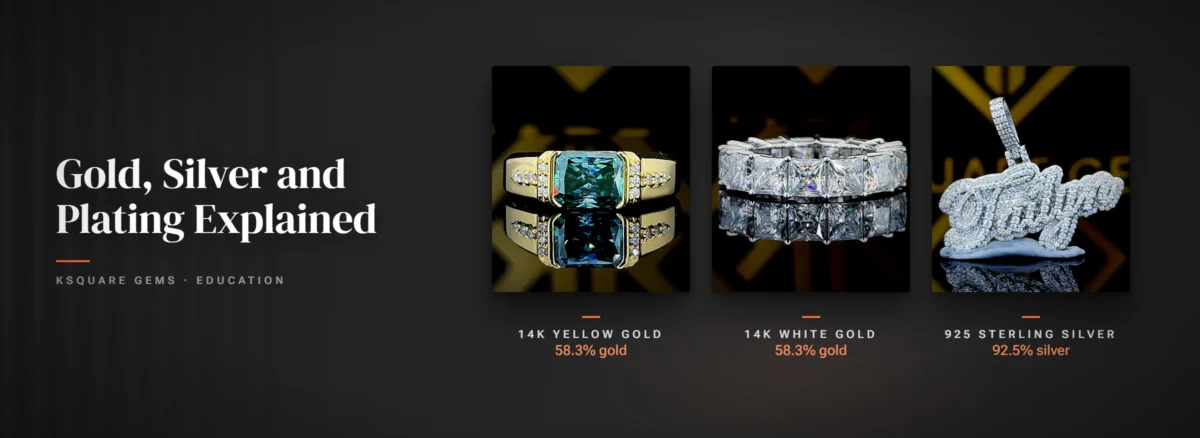
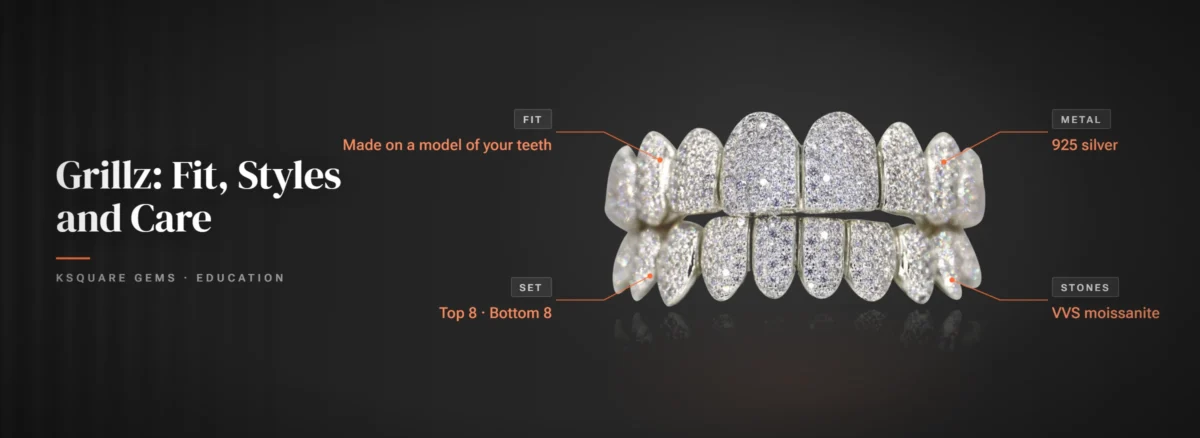
Pure silver is too soft to hold stones securely, so it is mixed with a small amount of another metal, usually copper. Sterling silver is 92.5% silver and 7.5% alloy, which is where the “925” stamp comes from. It takes a bright polish and is strong enough for detailed work, which is why our pendants, grillz and hip-hop rings are made in it.
The trade-off is tarnish. Silver reacts with sulfur compounds in the air, in sweat and in some cosmetics, and slowly forms a darker film on the surface. Tarnish is not damage and it cleans off, but silver does ask for a little more attention than gold. Many silver pieces are finished with rhodium, a hard white metal plated over the surface that brightens the color and slows tarnish. On high-wear spots such as the bail of a pendant, that layer can thin after long use.

Solid gold and what the karat number means
Karat measures how much of the metal is pure gold, counted in 24 parts. 24K is effectively pure gold: a beautiful deep yellow, but soft enough to dent and scratch quickly on a ring. For jewelry that gets worn, gold is alloyed with other metals that add strength and change the color.
| Karat | Pure gold | Stamp | What it is like |
|---|---|---|---|
| 24K | 99.9% | 999 | Deep yellow and very soft. Rarely used for set jewelry. |
| 18K | 75% | 750 | Rich color, softer, noticeably more expensive. |
| 14K | 58.3% | 585 | Good color with real everyday durability. |
| 10K | 41.7% | 417 | The hardest and most affordable, with a paler yellow. |
For most people 14K is the sweet spot, and it is what our solid gold rings are made in. It keeps a warm, convincing color and stands up to daily wear far better than 18K. Strictly, 14 parts in 24 works out at 58.3%; the “585” stamp is the traditional way of marking it in parts per thousand.
Yellow, white and rose
The color of gold comes from what it is mixed with. Yellow gold keeps the natural tone. White gold is alloyed with white metals and is almost always rhodium plated for a bright white finish. When that plating wears, a faint warm tint can show through, and a jeweler can re-plate it in an afternoon. Rose gold takes its color from a higher share of copper. In all three, the karat number tells you how much gold there is. The color does not change it.
Gold plating
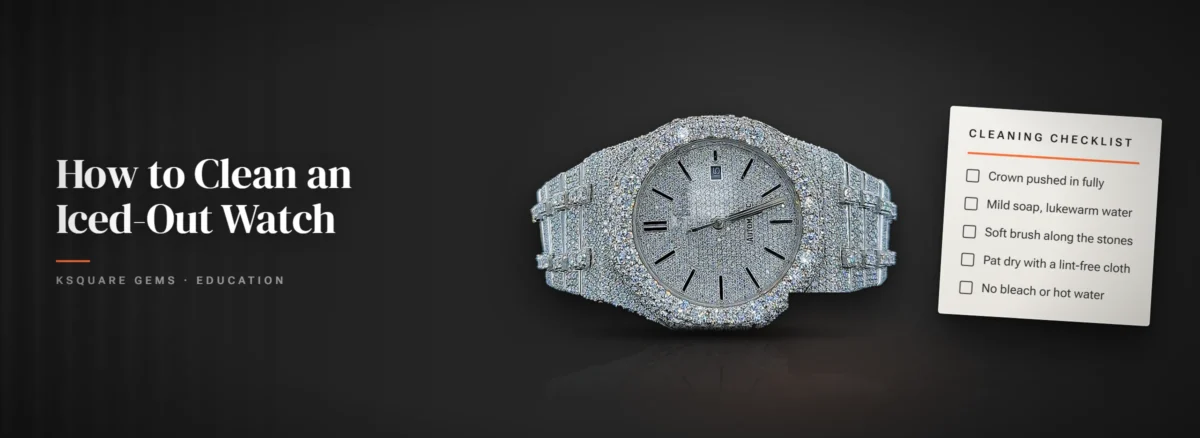
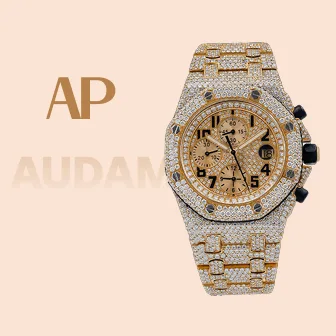
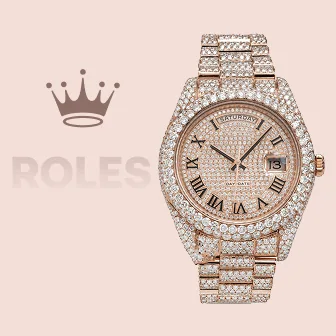
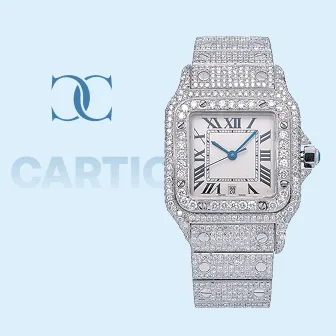
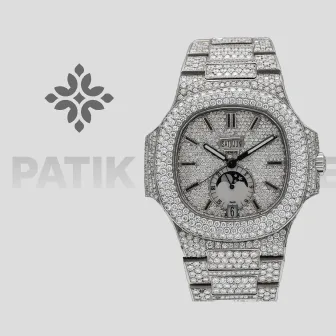
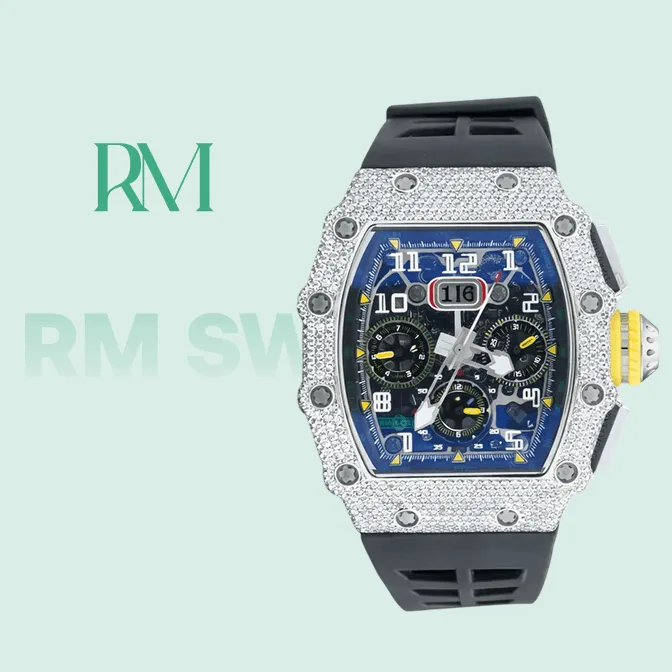
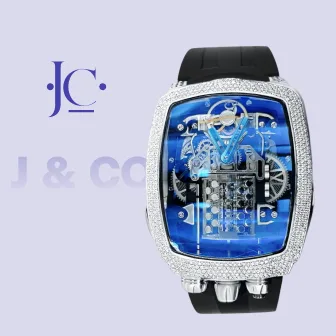
Plating is a thin layer of gold bonded to another metal by electroplating. The base might be brass, stainless steel or sterling silver. It gives you the look of gold for a fraction of the cost and weight, which is why it is used for watch cases and bracelets. Our gold-tone iced-out watches, for example, use 14K gold plating over a stainless steel case.
The key thing to understand is that plating is a surface. Friction, sweat, perfume, sanitizer and cleaning chemicals slowly wear it away, starting at edges and contact points: the clasp, the underside of a bracelet, the corners of a case. How long it lasts depends far more on how the piece is worn than on anything else. Kept away from chemicals and wiped down after wearing, a plated finish holds up well for a long time.

Vermeil and gold-filled
You may come across two more terms elsewhere. Vermeil is gold plating over sterling silver with a thicker minimum layer than ordinary plating; in the US that means at least 2.5 microns of 10K gold or better. Gold-filled is a much heavier layer of gold bonded to a base metal with heat and pressure, and it has to make up at least 5% of the item’s weight. Both sit between plating and solid gold for durability and price.
Side by side
| Sterling silver | Solid 14K gold | Gold plated | |
|---|---|---|---|
| Looks | Bright white | Yellow, white or rose | Any gold tone |
| Over time | Tarnishes, cleans up well | Fine scratches, never tarnishes | Surface wears at contact points |
| Resizing and repairs | Yes | Yes | Limited; plating usually needs redoing |
| Weight | Medium | Heaviest | Depends on the base metal |
| Price | Lowest | Highest | Low to medium |
| Best for | Pendants, grillz, statement rings | Rings you wear every day | Watches and bold looks on a budget |
Which one should you choose?
- For a large iced-out pendant: sterling silver. It carries a big, heavily set piece without the cost of the same size in gold, and the moissanite is what people notice. Browse our pendants.
- For a ring you will rarely take off: solid gold. It does not tarnish, the color goes all the way through, and it can be resized and repaired for decades. See our rings.
- For a gold watch look: plating over steel. Steel is tough, and the plating gives you the color. Our watches list the case material on every product page.
- If you have sensitive skin: some white gold alloys contain nickel, the most common metal allergy. If cheap jewelry usually irritates your skin, ask us about the alloy before you order.
Whatever you choose, the way you look after it matters more than the metal itself. Our guide to caring for silver and gold jewelry covers the habits that keep each one looking new.
Frequently Asked Questions
Yes. It is 92.5% pure silver with 7.5% of another metal, usually copper, added for strength. It is the standard for quality silver jewelry.
18K contains more gold and has a richer color, but it is softer and costs more. 14K is more durable for rings worn every day, which is why most jewelers recommend it for daily wear.
Solid 14K and 18K gold do not tarnish the way silver does. They do pick up fine scratches over time, which a jeweler's polish removes.
It depends mostly on wear. Plating fades first where it rubs, such as clasps and the underside of a bracelet. Keeping it away from perfume, sanitizer and cleaning products and wiping it after wear makes it last much longer.

Worldwide Delivery
Enjoy complimentary overnight shipping with fast delivery, ensuring convenience and prompt luxury service.
14 Days Returns
Experience peace of mind with our satisfaction guarantee, ensuring premium quality and unmatched customer service.
Lifetime Warranty
Shop with confidence, backed by verified trust ratings, secure transactions, and exceptional quality assurance every time.
24/7 Customer Support
We're here for you anytime, anywhere. Our dedicated customer support team is ready to assist you around the clock.