
Watch Bezels Explained: Iced, Fluted, Rotating and More
What the ring around your watch crystal does, how to time something with a rotating bezel, and how to look after a stone-set one.

Quick Facts
What a bezel actually does
Look at a watch from the side and the bezel is the ring that stands slightly proud of the crystal. On many watches it holds the crystal in place. On all of them it frames the dial and protects the edge of the crystal, because when a watch hits a doorframe, the bezel is usually what makes contact first.
Beyond that, a bezel can do two other jobs. It can carry a scale for measuring something, such as elapsed minutes, a second time zone or speed. And it sets the character of the watch more than almost any other part. The same case reads sporty with a black dive bezel, dressy with a fluted one and loud with a ring of stones, and it changes how the dial looks too (see Watch Dials Explained).
Fixed or rotating
A fixed bezel is part of the case and does not move. A rotating bezel turns, usually with a ratchet that clicks into place at each step. To find out which you have, grip the edge lightly with your fingertips and try to turn it counterclockwise. A rotating bezel moves with a firm click. A fixed one won’t budge, and you should not force it.
Stone-set bezels are usually fixed. Rotating bezels need a grippy edge to turn, and stones on a moving ring take extra wear, so iced designs nearly always keep the bezel still.

The dive bezel and how to time with it
A dive bezel carries a 60-minute scale, often with the first 15 minutes marked in more detail, and a triangle or dot at zero. It was designed so a diver could track time underwater. It turns only counterclockwise, so if it gets knocked, it can only show more time elapsed, never less. A diver reading it would surface early rather than late.
On land it is a handy timer for anything up to an hour: a parking meter, a pot of rice, a 20-minute break. To time 20 minutes:
- Turn the bezel until the zero marker lines up with the minute hand.
- Carry on with your day. Don’t touch the crown.
- Read the bezel number the minute hand is pointing to. That is how many minutes have passed.
- When the minute hand reaches 20 on the bezel, your 20 minutes are up.
You can also count down instead. Turn the zero marker to where the minute hand will be when time is up, 20 minutes ahead, and the moment the hand meets the marker you are done. Either way, the watch keeps telling the time normally while you use the bezel.

24-hour rings and tachymeters
A 24-hour bezel is numbered 1 to 24 (or with every other number shown). It is meant to work with a fourth hand that travels around the dial once a day. Read that hand against the ring and you have a second time zone. Turn the bezel by the number of hours difference and you can read a third. Many 24-hour bezels are split into two colors to mark day and night.
If a watch has a 24-hour ring but no separate 24-hour hand, the ring can’t track another time zone, because the normal hour hand goes around twice a day. In that case it is a design detail, and a good-looking one.
A tachymeter scale, found on some chronograph bezels, measures speed over a known distance. Start the chronograph as you pass one marker, stop it at the next marker one mile or one kilometer on, and read the scale where the seconds hand stops. The math behind it is 3,600 divided by the seconds taken, so 45 seconds over a mile reads 80 miles per hour. It only works if the watch has a working chronograph seconds hand.
Fluted and octagonal sport bezels
A fluted bezel has a ring of fine ridges cut around it. On modern watches it is decorative. The ridges catch light from every direction, which gives a plain watch some sparkle without stones, and it usually sits on dressier designs with a polished finish.
An octagonal sport bezel has eight sides, often with visible screw heads, and usually flows into an integrated bracelet. The finish is typically brushed on the flat top with polished bevels on the edges. That contrast is part of the look, so keep it in mind when cleaning: brushed surfaces show scratches as shiny lines, and polished bevels show scuffs. Avoid polishing cloths and compounds on any gold-plated bezel, as they wear through plating. Our Gold, Silver and Plating Explained guide explains why.
Iced bezels: how stone size changes the look
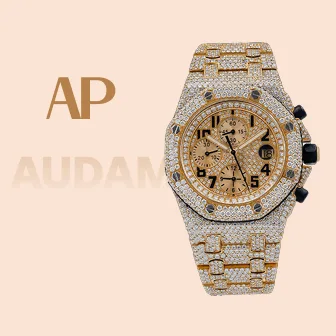
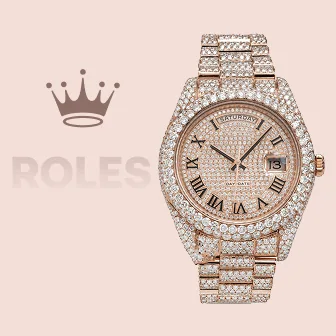
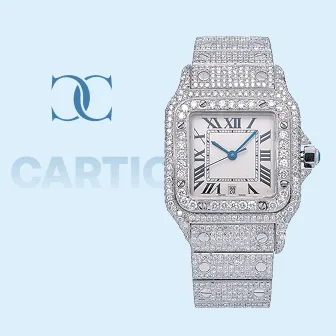
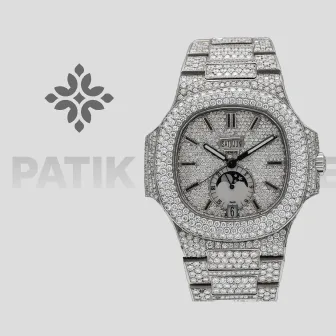
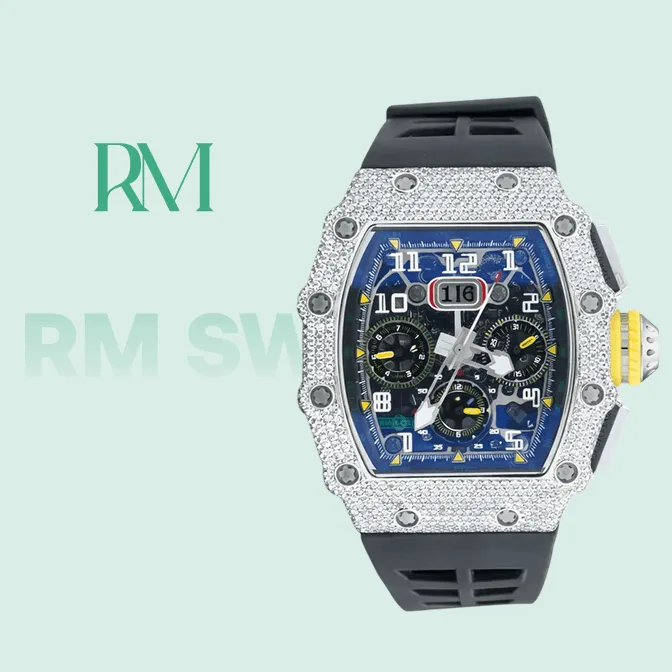
A stone-set bezel is the first thing people notice on an iced watch, and the size and arrangement of the stones changes its character more than the stone count does.
| Bezel layout | How it looks | Worth knowing |
|---|---|---|
| One row of larger round stones | Bold, distinct flashes; a structured, ordered look | More metal shows between stones |
| Two or three rows of small pavé | A continuous glitter where the metal almost disappears | More stones, so more to check |
| Baguettes | Clean bands of light, calmer and more architectural | Straight edges show any misalignment |
| Mixed rounds and baguettes | Sparkle with structure | The busiest look; best with a plain dial |
Larger stones also sit higher, which adds height to the case, and they read from further away. It is one reason an iced watch wears larger than its diameter, as the Watch Size Guide explains. Small pavé looks finer up close. Neither is better. It comes down to the look you want: one bright ring, or a row of individual stones. The settings that hold them are covered in Stone Settings Explained.
Looking after a bezel
The bezel edge is the highest, widest point of the watch, so it takes nearly every knock. Doorframes, car doors, desk edges, railings and gym equipment are the usual culprits. Take the watch off for workouts and heavy work, and be aware of your wrist in tight spaces.
- Look it over weekly. Hold the watch under a bright light and tilt it. A missing stone shows as a dark gap, and a loose one may sit at a slight angle to its neighbors.
- Notice snagging. If the bezel starts catching on sleeves or knitwear, a prong may have lifted.
- Clean gently. Use a soft toothbrush, barely damp, with a little mild soap, then dry it with a soft cloth. On a rotating bezel, brush around the gap where grime collects. Don’t soak the watch.
For step-by-step cleaning, see How to Clean an Iced Out Watch.
Frequently Asked Questions
So that an accidental knock can only make the elapsed time look longer, never shorter. A diver reading it would surface early rather than late.
Line up the zero marker with the minute hand. The bezel number the minute hand points to later is the number of minutes that have passed.
Usually not. Stone-set bezels are almost always fixed, which keeps the stones from extra wear.
Not at home. Polishing cloths and compounds can wear through gold plating. Ask a jeweler, and accept that light scuffs on plating are part of normal wear.


Worldwide Delivery
Enjoy complimentary overnight shipping with fast delivery, ensuring convenience and prompt luxury service.
14 Days Returns
Experience peace of mind with our satisfaction guarantee, ensuring premium quality and unmatched customer service.
Lifetime Warranty
Shop with confidence, backed by verified trust ratings, secure transactions, and exceptional quality assurance every time.
24/7 Customer Support
We're here for you anytime, anywhere. Our dedicated customer support team is ready to assist you around the clock.